Clinical Understanding Incontinence Loss Of Bladder Control Hartmann
Urinary System Incontinence In Postmenopausal Ladies Causes, Signs, Therapy Pregnancy, childbirth, obesity, and urinary system infections all raise a woman's chance of creating desire incontinence. An over active bladder can influence the bladder in more youthful women, as well. Infections, anxiety, or clinical problems like numerous sclerosis or even spinal cord issues can be the reason. Early medical diagnosis and treatment make a large distinction in quality of life.
Signs & Sources Of Urinary Incontinence
Urinary incontinence can take place at any kind of age, but it ends up being extra usual during pregnancy, after giving birth, and as women undergo menopause. Although it may feel like a regular part of aging, that does not imply it needs to be ignored or approved without support. Urinary system urinary incontinence is common, specifically as females age or go through major life changes like childbirth or menopause. It's absolutely nothing to be humiliated around, and extra significantly, it's something we can deal with. Blended urinary incontinence includes symptoms of both stress incontinence and prompt incontinence. There is no one-size-fits-all technique to dealing with urinary system incontinence.Can a weak bladder fixing itself?
The bladder can regrow like no one''s company and now we understand why. The bladder is a master at self-repair. When harmed by infection or injury, the organ can repair itself rapidly, hiring specialized cells in its lining to repair tissue and bring back an obstacle versus damaging products focused in pee.
Uncover Ucla Health
- In adulthood, females are much more likely than men to experience urinary system incontinence.
- Loss of bladder control is common in women, but it isn't normal, and there are choices for therapy.
- These stones are the result of crystalized minerals that collect in the bladder and can cause irritation that can increase the requirement to pee.
- Females with an overactive bladder OAB may obtain this desire a number of times a day.
What Is Over Active Bladder? 7 Top Things You Should Know
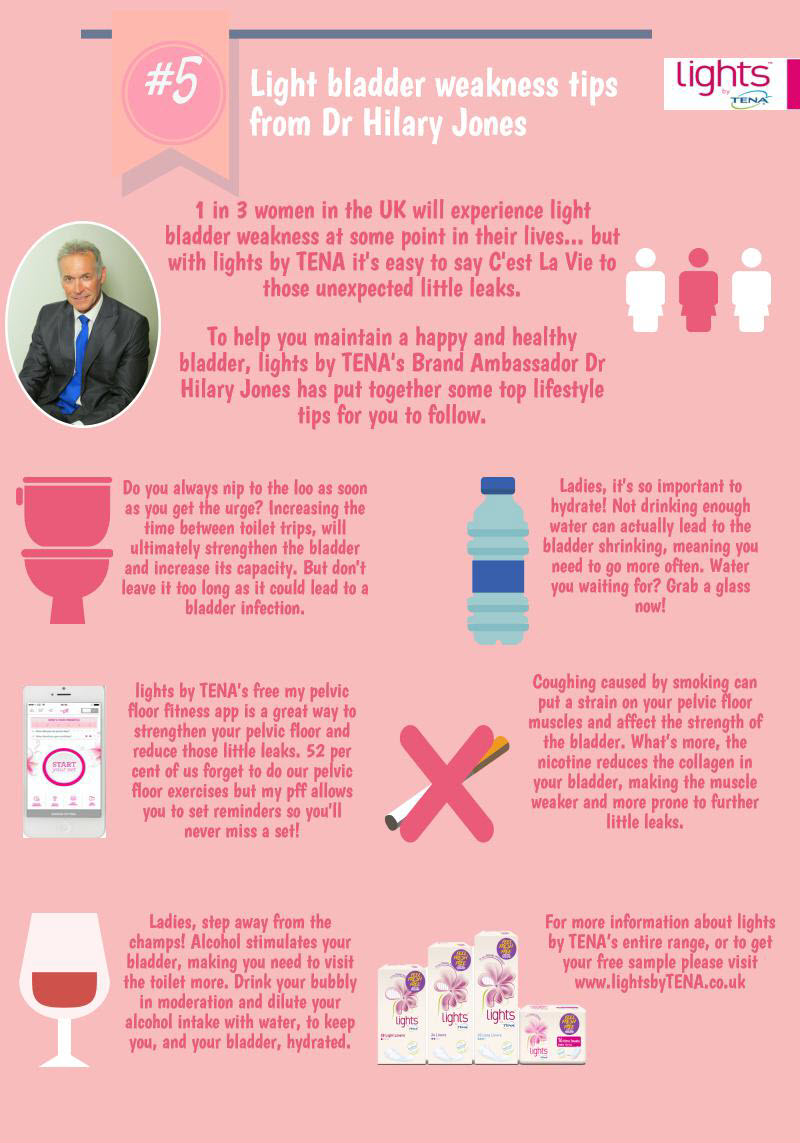
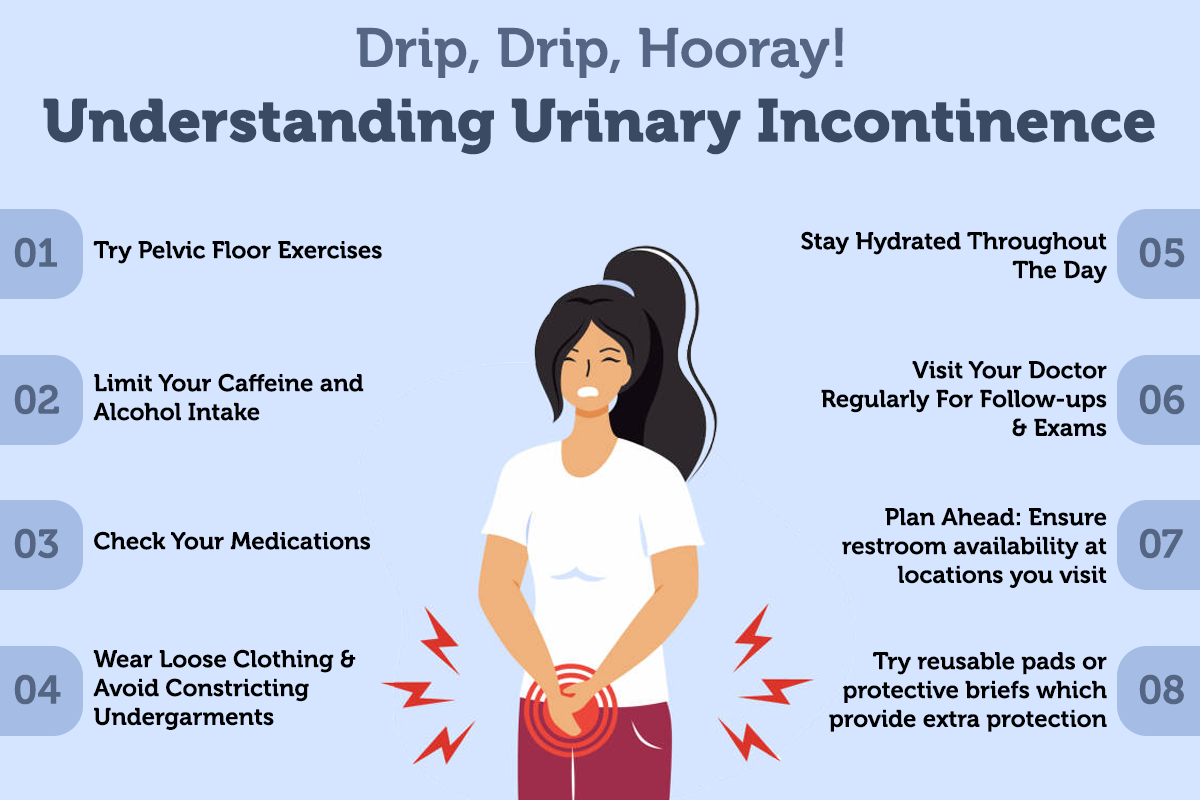
Pelvic flooring muscle mass exercises (Kegels) are a go-to for treating overactive bladder and stress and anxiety incontinence. If you do them regularly, you'll enhance the muscle mass that regulate urine flow and sustain the bladder. Maternity, childbirth, and menopause all influence women's bladder health and wellness. These Autologous fascial sling events can compromise the pelvic flooring muscular tissue, which sustains the bladder and helps you keep control. If you've obtained these along with seriousness or leaks, it deserves talking to your doctor regarding an over active bladder. The majority of therapies for overactive bladder, consisting of medications, try to calm the bladder muscle down. Age, injury, or duplicated urinary system tract infection can make the bladder muscle much more delicate or over active. Weight problems can likewise put added pressure on the bladder, making things worse. The outcomes of the carried out research plainly reveal that the high quality of women's life after surgical procedures enhances considerably. Furthermore, their wellness, self-worth and positive self-image are enhanced. International Continence Society Guidelines indicate that treatment of UI ought to begin with conservative treatment [19] Originally, it is made use of just in people with degree II and III of UI. According to traditional treatment standards it must include pharmacotherapy, physiotherapy, and behavioral therapy. In the local therapy estrogens and the adrenergic receptors medicines are normally made use of to enhance the cells turgor within the vestibule.